Neoprene rubber, also known as Polychloroprene, is a synthetic rubber renowned for its versatility and durability. As one of the most widely used synthetic rubbers, it demonstrates excellent chemical stability, resistance to UV exposure and weathering, and outstanding toughness across a broad temperature range. Around 70% of all rubber used globally is synthetic, and a significant portion is neoprene due to its superior qualities.
Advantages of Neoprene
Physical Toughness: Neoprene resists damage from flexing, twisting, tearing, and abrasion, making it ideal for demanding industrial applications such as gaskets, seals, belts, and heavy machinery components.
Elasticity & Shock Absorption: Its ability to stretch and return to its original shape allows neoprene to absorb shocks and vibrations, useful in automotive suspension systems and shock mounts.
Weather & Ozone Resistance: Neoprene performs exceptionally well in outdoor and marine environments, with resistance to ageing, ozone, saltwater, and inorganic salts.
Chemical Resistance: Neoprene gaskets offer moderate resistance to animal and vegetable oils, making them suitable for a wide range of sealing and protective applications.
Temperature Range
Neoprene rubber products, such as gaskets and seals, retain their hardness and flexibility across varying conditions. Standard neoprene grades typically operate between -40 °C to +120 °C, though exact ranges depend on formulation and grade.
Specialist Grades
To meet specific requirements, various specialist neoprene grades are available:
Flame Retardant: Conforms to NFF16-101 M2-F3, UL94-VO, and BS 2752 standards.
Food & Pharmaceutical Grade: Fully FDA-approved, compliant with US FDA 21 CFR177.2600 and EU 1935/2004 regulations.
Disadvantages of Neoprene
While versatile, neoprene does have some limitations:
Poor resistance to strong oxidising acids, esters, ketones, and certain hydrocarbons.
Generally, more expensive than other common rubbers, which can impact cost-sensitive applications.
In Summary:
Neoprene rubber offers a balance of toughness, elasticity, and environmental resistance, making it a reliable material for industrial, automotive, marine, and consumer applications. Despite some chemical limitations and higher cost, its durability and performance often justify its widespread use.
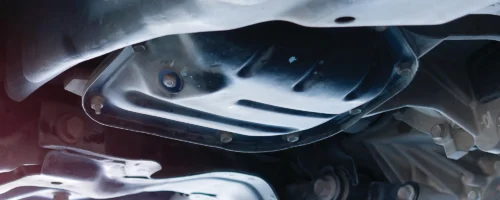
Learn what sump gaskets do, how they prevent oil leaks, common failure signs, and the best materials for reliable engine sealing. Quality replacement sump gaskets available from R4 Gaskets.
Choosing the best weather-resistant rubber ensures durability, reliability, and reduced maintenance costs. Whether dealing with sunlight, UV exposure, ozone, or harsh outdoor conditions, selecting the right weatherproof rubber material will significantly improve performance and longevity.
Klinger® gaskets are a safe, high-performance asbestos replacement, offering excellent heat, pressure, and chemical resistance across demanding industrial applications.

 https://r4gaskets.co.uk/wp-content/uploads/2025/07/Oil-Sump-2000x800-1-500x200.webp
 https://r4gaskets.co.uk/wp-content/uploads/2025/07/Oil-Sump-2000x800-1-500x200.webp