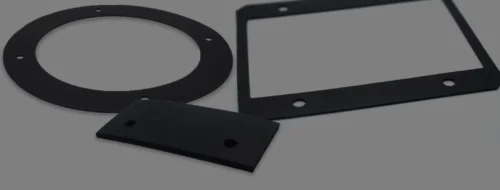
A sump gasket (also known as an oil pan gasket) is a vital engine sealing component that prevents oil from leaking between the engine block and the sump (oil pan). Although small, it plays a critical role in maintaining correct oil levels, ensuring proper lubrication, and protecting the engine from overheating or premature failure. For anyone searching for replacement sump gaskets, understanding their purpose and specifications helps ensure the correct part is selected.
What Does a Sump Gasket Do?
The sump collects engine oil after it circulates through the lubrication system. The gasket forms a tight seal between the sump and engine block, keeping oil contained as it moves through the engine to lubricate and cool internal components.
If the seal fails, oil can escape from the bottom of the engine, leading to reduced lubrication, rising temperatures, and potentially severe mechanical damage.
Why Sump Gaskets Wear Out
Sump gaskets are considered service components because they are constantly exposed to:
Temperature fluctuations
Engine vibration
Oil and chemical exposure
Mechanical stress
Over time these factors cause gasket materials to harden, crack, compress, or lose elasticity, reducing their ability to maintain a leak-proof seal.
Common Sump Gasket Materials
Modern oil pan gaskets are manufactured from specialised materials designed to withstand heat and oil exposure. Typical options include:
Cork and cork-rubber composite gaskets
Synthetic rubber materials such as Nitrile (NBR), Silicone, or Viton
Treated gasket paper
RTV silicone sealants (used instead of physical gaskets in some engines)
Material selection depends on operating temperature, engine design, oil type, and sealing pressure requirements.
Signs of a Failing Sump Gasket
A worn or damaged sump gasket usually shows visible symptoms. Common indicators include:
Oil spots underneath a parked vehicle
Oil residue on the underside of the engine
Falling oil levels between services
Persistent minor leaks after oil changes
If these signs appear, replacing the gasket promptly helps prevent costly engine damage.
Replacement Overview
Replacing a sump gasket typically involves:
Draining engine oil
Removing the sump pan
Cleaning sealing surfaces thoroughly
Installing a new gasket or sealant
Tightening bolts evenly to manufacturer torque specifications
Correct installation is essential to ensure even compression and long-term sealing reliability.
Need a Replacement Sump Gasket?
R4 Gaskets manufactures high-quality replacement sump gaskets in a wide range of materials, suitable for modern engines, industrial applications, and classic vehicle restoration. With bespoke manufacturing capability, we can produce gaskets to match original specifications, drawings, or samples, ensuring precise fit and reliable sealing performance.
Contact us today to request a quote or discuss your requirements.
Summary
Sump gaskets are essential for maintaining engine oil containment, lubrication efficiency, and operating temperature control. Because they naturally degrade over time, regular inspection and timely replacement are key to preventing leaks and protecting engine components. High-quality replacement gaskets manufactured to precise specifications ensure dependable sealing and long service life.
Choosing the best weather-resistant rubber ensures durability, reliability, and reduced maintenance costs. Whether dealing with sunlight, UV exposure, ozone, or harsh outdoor conditions, selecting the right weatherproof rubber material will significantly improve performance and longevity.
Klinger® gaskets are a safe, high-performance asbestos replacement, offering excellent heat, pressure, and chemical resistance across demanding industrial applications.
Discover why neoprene rubber is one of the most trusted materials in modern manufacturing, offering toughness, flexibility, and long-term reliability in even the harshest conditions.
 https://r4gaskets.co.uk/wp-content/uploads/2026/01/Best-Weather-Resistant-Rubber-News-Banner-2000x425-1-500x106.webp
 https://r4gaskets.co.uk/wp-content/uploads/2026/01/Best-Weather-Resistant-Rubber-News-Banner-2000x425-1-500x106.webp